Starting a small business is no small feat, but ensuring its longevity and success requires more than just hard work and dedication. That’s where insurance comes in. Not only does it protect your assets, but it also provides peace of mind that can help you sleep better at night.
In today’s unpredictable world, having the right insurance coverage is like having an invisible safety net ready to catch you when things go awry. In this guide, we’ll dive into the world of small business insurance, exploring three essential types that every small business owner should consider. Let’s get started!
Types of Small Business Insurance
Did you know that 40% of small businesses have no insurance? That’s a risky move!
Let’s dive into the world of small business insurance and see how it can save your business from unexpected financial disasters.
General Liability Insurance
If someone slips and falls in your store, who pays? General Liability Insurance is your safety net. It covers accidents, injuries, and claims of negligence. This type of insurance is crucial because it shields your business from financial ruin in case of lawsuits.
Property Insurance
Small businesses often operate on tight margins. Imagine a sudden fire destroying your assets. Property Insurance doesn’t just cover physical assets like buildings and equipment—it also includes inventory. This is your go-to policy to protect what you physically own.
Business Interruption Insurance
When disaster strikes, your business might have to pause. But bills don’t stop. Business Interruption Insurance covers lost income during such times. This way, you can keep paying rent and utilities without burning through your savings.
Workers’ Compensation Insurance
What happens if an employee gets injured on the job? You need to take care of medical expenses and lost wages. Enter Workers’ Compensation Insurance. It’s not just a legal requirement in many places; it’s also about taking care of your team.
Professional Liability Insurance
Also known as Errors and Omissions (E&O) insurance, this type is a must for service-based businesses. Professional Liability Insurance protects you against claims of negligence or mistakes in services you provide. Every consultant, accountant, or designer should consider this.
Now, how do these insurances stack up?
| Type | Coverage | Benefits |
|---|---|---|
| General Liability | Third-party bodily injury, property damage | Protects against lawsuits, financial loss |
| Property Insurance | Buildings, equipment, inventory | Covers asset replacement, repair costs |
| Business Interruption | Lost income, operating expenses | Keeps business afloat during closures |
| Workers’ Compensation | Employee injuries, medical costs | Legal compliance, employee support |
| Professional Liability | Negligence, errors in services | Protects reputation, financial health |
Pro Tip: Bundle multiple policies to save on premiums and get comprehensive coverage!
Importance of Business Insurance for Small Enterprises
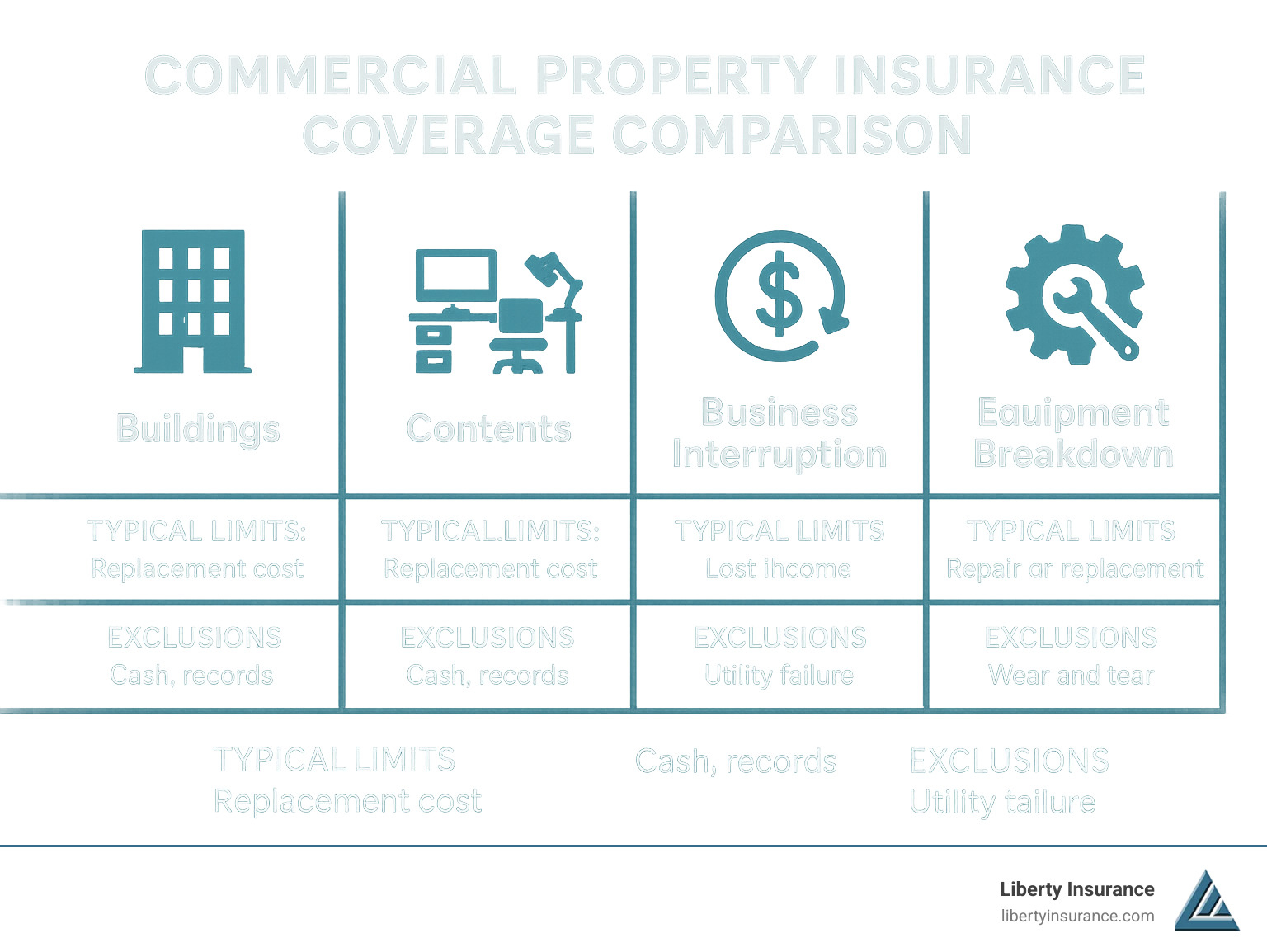
Did you know that 40% of small businesses never reopen after a disaster? Shocking, right? BUT there’s a way to safeguard your dream.
Small business insurance is your safety net. It protects you from unforeseen events that could otherwise put an end to your hard work.
Why Small Businesses Need Insurance
Imagine this: A small bakery, up and running for three years, suffers a devastating fire. Without insurance, the owner faces financial ruin. But with the right coverage, they rebuild and reopen in just a few months.
- Asset Protection: Safeguard your physical and intellectual assets from theft, damage, or lawsuits.
- Liability Coverage: Shield yourself against claims of negligence or harm caused by your products or services.
- Employee Security: Offer worker’s compensation, ensuring your team is covered in case of workplace injuries.
- Natural Disasters: Don’t let a hurricane or flood wipe out your hard-earned business.
Risk Mitigation through Insurance
Small businesses face unique risks. Insurance mitigates these risks by transferring the financial burden from you to the insurer.
- Business Interruption: Covers loss of income during unexpected closures.
- Professional Liability: Protects against errors and omissions in your services.
- Cybersecurity: Shields against data breaches and IT-related threats.
Pro Tip: Always review your policy annually to ensure it meets your evolving business needs.
Real-World Scenario: Insurance to the Rescue
Let’s look at a real-world scenario. A small consulting firm was sued for breach of contract. The legal fees alone could have bankrupted them. Thanks to their business insurance, they covered the expenses and settled the case without financial strain.
Cost Factors of Small Business Insurance
Ever wondered why the cost of small business insurance can vary so much? It’s not just a random number generator at play here.
The price tag on your business insurance is influenced by a cocktail of factors. From the type of industry you’re in to your business’s revenue, each unique element plays a part in the final premium you pay.
Key Factors Influencing Insurance Costs
First up, let’s talk about industry risk. If you’re running a construction firm, expect to pay more than a graphic design studio. Riskier industries mean higher premiums. Next, consider the location of your business. Operating in a hurricane zone? Your rates might skyrocket. Then there’s the size of your business. Bigger operations often mean more expensive coverage. Why? Simply put, there’s more to lose.
Calculating Insurance Premiums for Small Businesses
Curious about the math behind your premium? It starts with evaluating the risks. Insurance companies assess your claims history, industry risk, and even your business’s financial health. They calculate a base rate and then apply rate modifications based on specific risk factors. The result? Your personalized premium.
Pro Tip: Reduce your premium by maintaining a clean claims history and improving safety measures in your workplace.
Strategies to Reduce Insurance Costs
Here’s the deal. You don’t have to break the bank to protect your business. Start by bundling policies. Many insurers offer discounts if you combine multiple types of coverage. Also, consider increasing your deductible. A higher out-of-pocket cost can lower your premium significantly.
- Implement a risk management program to proactively reduce potential claims.
- Shop around. Compare quotes from different providers to snag the best deal.
- Regularly review your coverage to ensure it’s aligned with your current needs.
Cost-Effective Insurance Plans for Startups
Starting fresh with a tight budget? No worries. Opt for a Business Owner’s Policy (BOP). It bundles general liability and property insurance at a lower cost. Some plans even include business interruption insurance. It’s a great way to get maximum coverage for a minimal price. Another savvy choice is to work with an insurance broker who can tailor policies to your startup’s unique needs.
| Insurance Type | Cost Reduction Strategy |
|---|---|
| General Liability | Implement strict safety protocols |
| Property Insurance | Install security systems |
| Business Interruption | Choose a BOP |
Choosing the Right Insurance Provider

Are you aware that only 30% of small businesses have adequate insurance coverage? Picking the right insurance provider can make or break your business, especially when unexpected events occur. Let’s dive into how to choose the perfect fit for your business needs.
When it comes to insurance, not all providers are created equal. There are several factors you need to consider before making a decision. You want to ensure that the provider you choose can offer the coverage you need, at a price you can afford, and with a level of service you can rely on.
Criteria for Selecting an Insurance Provider
First things first, look at financial stability. You don’t want to be stuck with a provider that can’t pay claims when it matters most. Next, consider their reputation and customer service. Check out reviews and ask other small business owners about their experiences. Finally, evaluate their policy offerings to ensure they align with your specific needs.
Top-Rated Insurance Companies
I’ve compiled a list of some of the best insurance companies for small businesses. These companies offer comprehensive plans and have a track record of excellent customer service.
| Company | Special Features | Customer Rating |
|---|---|---|
| Hiscox | Flexible policies, tailored for small businesses | 4.5/5 |
| State Farm | Wide range of coverages, strong financial backing | 4.4/5 |
| Progressive | Customizable plans, competitive pricing | 4.3/5 |
Key Features to Look For in an Insurance Policy
When evaluating policies, pay attention to the coverage limits and exclusions. Make sure the policy covers the risks specific to your business. Also, check for add-on options that might be beneficial, such as cyber liability or business interruption coverage. These can be lifesavers when unexpected issues arise.
Checklist for Evaluating Insurance Providers
Use this checklist to ensure you’re not missing any crucial steps when evaluating potential insurance providers.
- Verify the provider’s financial stability with ratings from agencies like A.M. Best.
- Read customer reviews on platforms like Trustpilot or the Better Business Bureau.
- Ensure their offerings match your specific business needs.
- Check for any hidden fees or charges in the policy terms.
- Ask about the claims process—how easy is it to file a claim?
Pro Tip: Always negotiate your policy terms. You might get better rates or additional coverage just by asking.
Legal Aspects of Business Insurance
Did you know that small businesses in the U.S. paid over $50 billion in insurance premiums in 2021? Most entrepreneurs overlook one crucial aspect: the legal requirements of their insurance policies. Let’s dive into what you need to keep your business on the right side of the law.
Each state and country has its own set of legal obligations when it comes to business insurance. Whether you’re in New York or New Delhi, understanding these mandates is key to avoiding legal headaches. Here is the deal: failing to comply can lead to hefty fines or even business shutdowns.
Legal Requirements Per Region
Different regions have specific legal requirements for small business insurance. Below is a breakdown of these mandates:
- United States: Most states require workers’ compensation insurance if you have employees. Some states also mandate general liability insurance.
- European Union: Public liability insurance is often necessary, especially for businesses with public interactions.
- Australia: Employers are required to have workers’ compensation insurance, while professional indemnity insurance is crucial for service providers.
Here’s a shocking stat: up to 40% of small businesses have no insurance, putting them at risk of legal actions. Make sure you are not among them.
Consequences of Non-Compliance
If you think skipping insurance is a minor risk, think again. The consequences can be severe:
- Fines: Government agencies impose fines that can be financially crippling.
- Legal Action: Customers or employees may sue you, leading to costly legal battles.
- Business Closure: In extreme cases, authorities can shut down your business operations.
Pro Tip: Always consult a legal expert to ensure you’re meeting all the required insurance standards for your area.
Mandates in Legal Documents
Legal documents artikel the specific requirements for insurance coverage. Here are some excerpts:
“All employers must ensure coverage for their workers under state-regulated workers’ compensation insurance policies.” — State Department of Labor
“Businesses engaging with the public must hold public liability insurance to cover potential claims.” — EU Business Directive
These mandates aren’t just formalities; they are essential for your business’s survival and growth.
Future Trends in Small Business Insurance
Did you know that the global insurance tech sector is on track to hit $1 trillion by 2030? This isn’t just a number—it’s a glimpse into the future of small business insurance.
So, what does this mean for you? The insurance industry is getting a high-tech makeover. And it’s set to change everything from how policies are written to how claims are processed.
Technological Advancements in Insurance Policies
Imagine handling all your insurance needs from your smartphone. That’s not science fiction—it’s happening now. AI and machine learning are transforming the way insurers assess risk, making it faster and more accurate.
Insurance companies are using data analytics to create customized policies that fit your business like a glove. No more one-size-fits-all.
Pro Tip: Start exploring digital insurance platforms to stay ahead of the curve.
Changing Needs of Small Businesses
The rise of the gig economy and remote work is shifting the landscape for small businesses. What does this mean for insurance? Flexible and scalable policies are becoming the norm.
Cyber insurance is no longer optional. With the increase in digital transactions, protecting your business from cyber threats is a must.
Innovation: What to Expect Next
Ready for some game-changers? Innovations like blockchain are set to revolutionize transparency and security in insurance.
| Innovation | Impact |
|---|---|
| Blockchain | Enhanced security and easier claims processing |
| AI and Machine Learning | Better risk assessment and personalized policies |
| Telematics | Usage-based insurance leading to potential savings |
The insurance landscape is changing fast. But don’t worry, staying informed and adaptable is your best strategy.
Conclusion
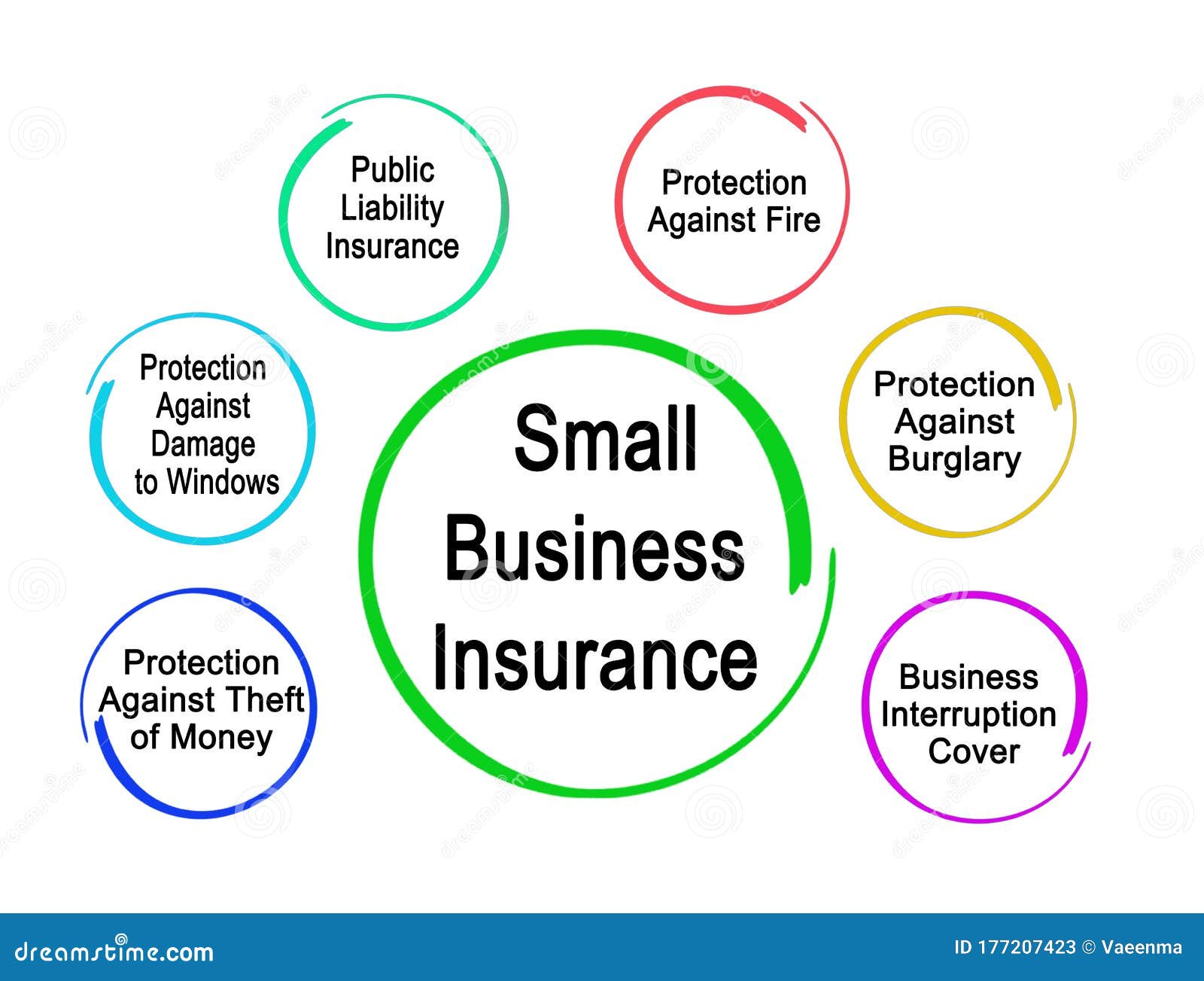
In conclusion, navigating the complex landscape of small business insurance doesn’t have to be daunting. By understanding the different types of coverage, recognizing why they’re important, and knowing how to choose the right provider, you’re taking significant steps in safeguarding your business’s future. So, invest wisely in insurance today and rest easy knowing your venture is protected against the uncertainties of tomorrow.
Frequently Asked Questions
What are the main types of small business insurance?
The main types include general liability insurance, professional liability insurance, and property insurance.
Why is business insurance important for small enterprises?
It protects against financial losses due to unforeseen events, ensuring the business can continue operating without major setbacks.
What factors affect the cost of small business insurance?
Factors include the type of business, location, coverage amount, and claims history.
How can small businesses reduce insurance costs?
By shopping around, bundling policies, and investing in risk management practices.
What should you look for in an insurance provider?
Consider factors like reputation, financial stability, customer service, and policy options.
Are there legal requirements for small business insurance?
Yes, depending on the region and industry, certain types of insurance may be legally required.
