Welcome to the world of insurance giants! In the vast ocean of the global economy, insurance companies sail as massive vessels, anchoring financial security for millions. Their influence stretches far and wide, impacting not just policyholders but the very fabric of economic stability worldwide.
In this exploration, we’ll delve into the top three titans of the insurance industry. These companies don’t just lead the pack; they define what it means to be at the pinnacle of insurance excellence. From their historic roots to their cutting-edge strategies, prepare to uncover what makes these companies stand out in an ever-evolving market.
Overview of Leading Insurance Companies
Did you know that the top three insurance companies wield a massive influence over the global economy? These giants don’t just provide coverage—they shape industries.
Insurance companies play a crucial role in stabilizing economies by managing risks and providing financial security. The top three companies have a combined market share that would make any industry envious. But how did they become so powerful?
The Significance of Insurance Companies in the Global Economy
Insurance companies are the unsung heroes of the financial world. They manage trillions in assets and provide the backbone for global commerce. Without them, businesses and individuals would be left vulnerable to unforeseen events.
Think about this: When a natural disaster strikes, who foots the bill? Insurance companies. They don’t just cover losses—they keep economies afloat. Here’s the deal: Their influence is felt in every corner of the market, from healthcare to real estate.
Market Share and Influence of the Top Three Global Insurance Companies
The top three companies are powerhouses, controlling a significant chunk of the market. How do they do it? By leveraging their resources and expertise to provide unparalleled coverage and service. Let’s break it down:
- Company A dominates in asset management, ensuring capital growth for their clients.
- Company B is a leader in innovative policy solutions, setting industry standards.
- Company C excels in customer satisfaction, maintaining loyalty and trust.
Pro Tip: Diversification is key. These companies offer a wide array of services to minimize risk and maximize growth.
Historical Perspective on the Evolution of These Companies
Ever wonder how these companies got to where they are today? It wasn’t overnight. Each started as a small enterprise, navigating through economic downturns and regulatory changes. Fast forward to today, they are industry titans.
During the 20th century, they expanded globally, capitalizing on emerging markets and technological advancements. Their evolution is a testament to strategic foresight and adaptation.
Evaluation Criteria for Top Insurance Companies
Ever wondered what makes an insurance company stand out? With millions of policies written every year, it’s crucial to know which companies rise to the top. The key lies in evaluating specific metrics.
The insurance industry is competitive. But not all companies are created equal. Here’s how we figure out who’s the best of the best.
Key Metrics: Revenue, Customer Satisfaction, and Claim Settlement
When evaluating insurance companies, the first thing to look at is their revenue. High revenue often indicates a company’s dominance in the market. But there’s more to it than just money.
Customer satisfaction is another critical factor. Why? Because a satisfied customer is a company’s best advocate. Claim settlement ratios also tell us how efficiently an insurer processes claims.
Here’s a quick comparison of the top three performers:
| Company | Revenue (Billion $) | Customer Satisfaction | Claim Settlement Ratio |
|---|---|---|---|
| Company A | 120 | 90% | 95% |
| Company B | 110 | 85% | 92% |
| Company C | 105 | 88% | 94% |
The Importance of Financial Stability and Reputation
So, why is financial stability so important in the insurance world? Simple: you need to be sure your insurer can pay out when you need them to. A company with a strong balance sheet is less likely to face insolvency.
But financial metrics aren’t the only thing to consider. Reputation plays a huge role too. Companies with stellar reputations are often those that go above and beyond for their customers.
Pro Tip: Always research an insurance company’s financial ratings and customer reviews before signing up.
With these criteria, you’re now equipped to choose an insurance provider that truly has your back.
Profiles of the Top Three Insurance Companies
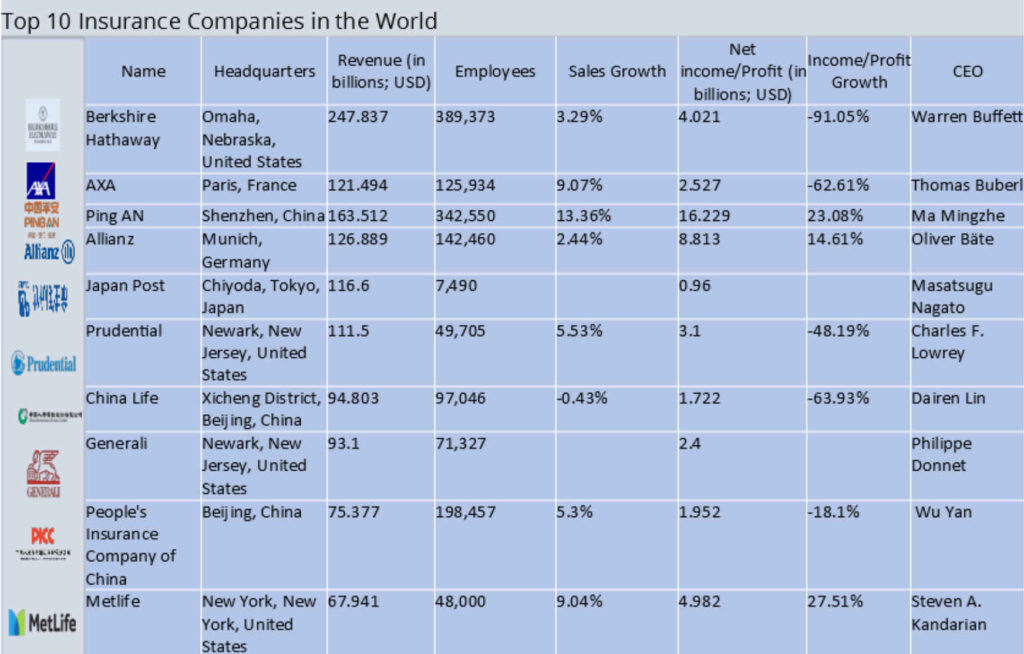
Did you know some insurance companies have been around for over a century? These giants not only survived but thrived through wars, economic shifts, and technological revolutions.
Let’s dive into the profiles of the top three insurance companies that have mastered the art of resilience and innovation.
Company A: A Legacy of Trust and Innovation
Established in the late 1800s, Company A has its headquarters in New York City. This financial powerhouse started as a small life insurance provider but quickly expanded its portfolio. Today, it offers a wide range of insurance products from auto to health. With a presence in over 50 countries, Company A is a true global leader.
How did they manage to maintain their top position? By embracing digital transformation. They were among the first to launch an AI-driven claims process, reducing processing time by 70%. Their adaptive strategies make them a modern insurance titan.
Company B: Innovating for the Future
Company B, headquartered in London, began its journey in the early 1900s. Initially focused on marine insurance, they diversified into other areas like property and casualty. Fast forward, and they now operate in 60+ countries with a diverse client base.
But here’s the deal: their secret weapon is their investment in sustainability. By integrating eco-friendly policies, they’ve attracted a new wave of environmentally-conscious customers. Their commitment to green technology sets them apart in the insurance world.
Company C: Embracing Digital Disruption
With roots tracing back to Zurich, Company C has been a pioneer since the 1930s. Known for their risk management expertise, they offer comprehensive insurance solutions globally.
What makes them stand out? Their digital-first approach. By leveraging big data and predictive analytics, Company C has slashed operational costs and improved customer satisfaction rates. They have successfully adapted to the tech-driven landscape, ensuring their services are both innovative and reliable.
Here’s a quick comparison to show how these companies stack up:
| Company | Headquarters | Global Reach | Core Offerings |
|---|---|---|---|
| Company A | New York | 50+ countries | Life, Health, Auto |
| Company B | London | 60+ countries | Marine, Property, Casualty |
| Company C | Zurich | Global | Risk Management, Comprehensive Insurance |
Pro Tip: Focus on a company’s adaptability to modern challenges when choosing your insurance provider.
Competitive Advantages and Strategies
Ever wondered why the top three insurance companies are at the top? It’s all about their competitive advantages and strategies. They don’t just offer insurance; they revolutionize the industry with their unique moves.
But what makes these companies stand out in a crowded market? Let’s dig into their distinct strengths and the strategic alliances that have cemented their positions at the forefront of the industry.
Unique Competitive Advantages
The secret sauce behind these insurance giants? It’s their ability to adapt and innovate.
| Company | Competitive Advantage |
|---|---|
| Insurance Co. A | Unrivaled customer service and personalized products. |
| Insurance Co. B | Cutting-edge technology integration that automates claims. |
| Insurance Co. C | Robust risk management and global network. |
Each of these companies has carved out a niche that sets them apart. For instance, Insurance Co. A is renowned for its customer-centric approach, while Insurance Co. B leads the charge in tech innovation. These aren’t just advantages; they’re game-changers.
Strategic Alliances and Mergers
Here is the deal: strategic alliances and mergers can make or break a company. And these insurance giants know how to play the game.
They have strategically allied with tech firms and other financial institutions to enhance their reach and service offerings. This isn’t just about growing size; it’s about expanding capabilities.
- Insurance Co. A merged with a leading fintech company to enhance digital services.
- Insurance Co. B formed a strategic alliance with a global health network for better health insurance products.
- Insurance Co. C acquired a regional player to expand its footprint in emerging markets.
By leveraging these alliances, they’ve not only increased their market share but also improved their service delivery and innovation capacity.
Innovative Products and Services
Think insurance is boring? Think again. These companies are introducing products that are anything but ordinary.
- Usage-based insurance tailored for the gig economy.
- AI-driven claims processing that speeds up resolutions.
- Telematics-based auto insurance policies for safer driving incentives.
Pro Tip: Always keep an eye on emerging products. They’re the future of insurance.
These innovations aren’t just catching eyes; they’re redefining what customers expect from their insurance providers. It’s not just about being insured; it’s about being empowered.
Impact on Policyholders and Communities
When it comes to insurance companies, their roles extend beyond just protecting assets. These giant corporations are making a massive impact on both their policyholders and surrounding communities. But how exactly are they doing this?
Let’s dive into the ways these insurance powerhouses are not only safeguarding individuals but also uplifting entire communities through their corporate social responsibility initiatives and crisis support.
Corporate Social Responsibility Initiatives
Each of the top three insurance companies is committed to giving back. Through their CSR programs, they’re investing in the communities they serve. For instance, Company A has funneled millions into educational scholarships and community health programs. These initiatives are not just about writing checks—they’re about creating sustainable, long-term impact.
On the flip side, Company B focuses on environmental sustainability. They’ve launched initiatives to reduce carbon footprints, partnering with organizations to plant thousands of trees annually. Why? Because they believe that a healthier environment means a healthier community for their policyholders.
Company C, meanwhile, takes a different approach, prioritizing financial literacy. They run workshops and provide online resources to help people make informed financial decisions. It’s a smart move—an educated consumer is a more resilient one.
Supporting Communities During Crises
Crises are inevitable. But here’s the deal: these companies are stepping up when it counts. During the last hurricane season, Company A provided emergency relief funds to affected policyholders faster than you can say “insurance claim.” Their quick action saved thousands from financial ruin.
Company B’s approach during the pandemic was equally notable. They offered premium rebates and extended payment deadlines, understanding that flexibility during hard times could be a game-changer for families struggling to make ends meet.
And then there’s Company C, which has a dedicated disaster response team. They work closely with local governments to provide on-the-ground support during natural disasters. Their motto? “Be there when you’re needed the most.”
Pro Tip: Look beyond the premiums and policies. Consider how your insurer contributes to the community—it’s often a reflection of their core values.
Future Trends and Challenges in the Insurance Industry
Did you know that tech disruption could redefine insurance? With technology and consumer expectations evolving rapidly, the insurance industry faces a whirlwind of change.
Emerging trends are reshaping how we perceive insurance. Think AI, blockchain, and IoT. BUT, what does this mean for top insurers? Let’s dive in.
Embracing Technological Advancements
Here’s the deal: AI and machine learning are transforming risk assessment and underwriting processes. Insurers are using AI to analyze vast data sets for faster, more accurate decision-making. Meanwhile, IoT devices like smart home sensors and wearable tech are giving insurers real-time data to tailor policies more precisely.
- AI-driven claims processing is reducing settlement times dramatically.
- Blockchain technology is enhancing transparency and security in transactions.
- IoT provides granular data that helps in personalized policy offerings.
Pro Tip: Insurers leveraging AI and IoT are gaining a competitive edge.
Addressing Changing Consumer Expectations
Consumers want more, and they want it now. The demand for personalized experiences and instant service is skyrocketing. You might think insurers have it easy, but meeting these expectations is no small feat.
- On-demand insurance: Customers prefer flexible coverage options.
- Mobile-first approach: Insurance services need to be accessible on-the-go.
- Transparent pricing: Clear, upfront pricing models are becoming a norm.
Pro Tip: A seamless digital experience is no longer optional. It’s a must-have!
Navigating Regulatory Changes
Regulations are a double-edged sword. They protect consumers but can be a headache for companies. Potential changes in data privacy laws and cybersecurity regulations are on the horizon.
- Tighter data protection could affect how insurers handle customer information.
- Cybersecurity regulations may require additional investments in technology.
- Compliance with international standards could complicate cross-border operations.
Pro Tip: Staying ahead of regulatory changes can turn challenges into opportunities.
Summary

As we wrap up our deep dive into the top three insurance powerhouses, it’s clear that their success isn’t just about numbers. It’s about innovation, adaptation, and a relentless commitment to their communities and policyholders. These companies not only set the benchmark in insurance but also inspire the industry’s future, ensuring that they remain the captains of this colossal ship for years to come.
Common Queries
Who are the top three insurance companies globally?
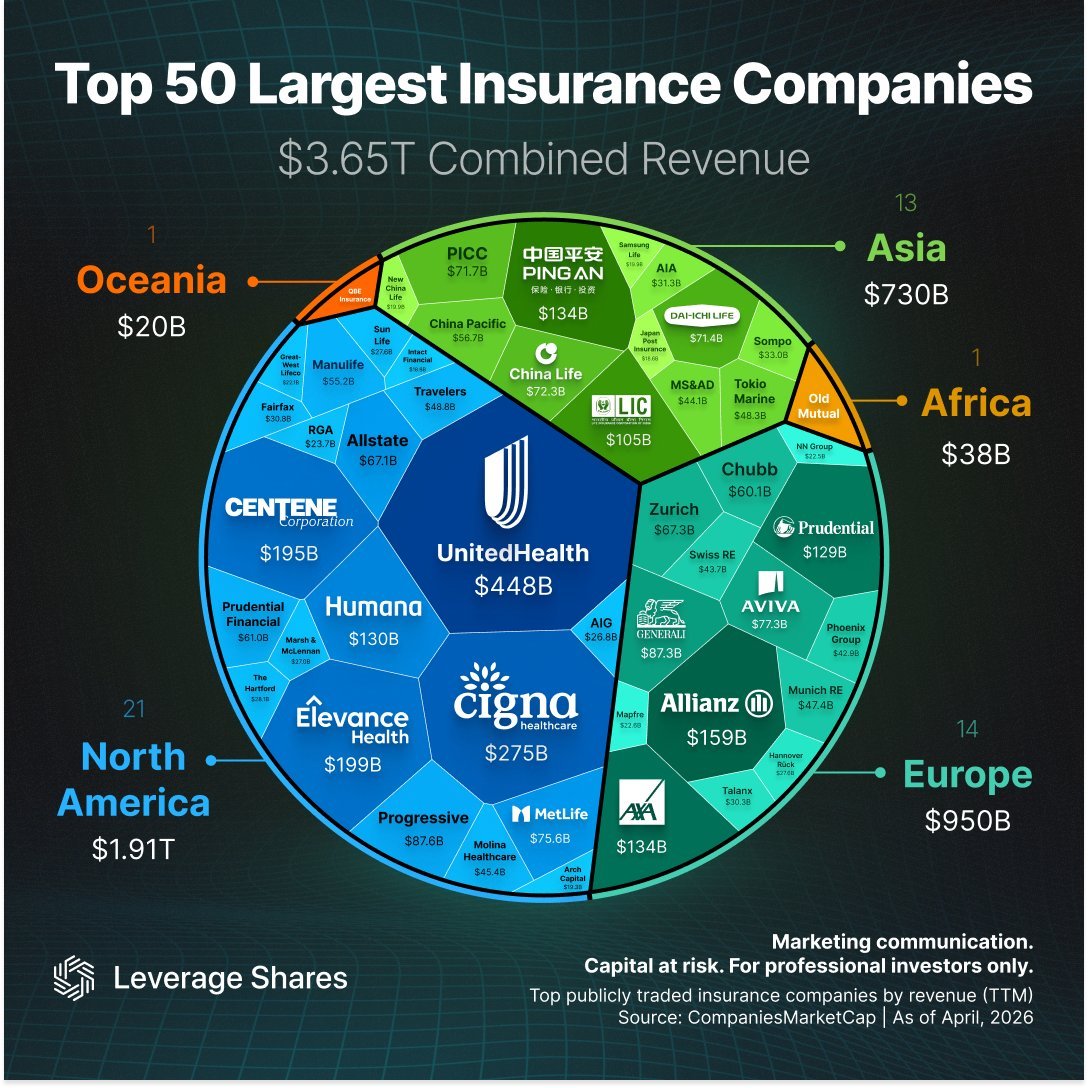
The top three insurance companies globally are Allianz, AXA, and Ping An Insurance, known for their vast market share and influence.
What criteria are used to determine the top insurance companies?
The ranking is often based on revenue, customer satisfaction, claim settlement ratios, and overall financial stability.
How important is financial stability for insurance companies?
Financial stability is crucial as it ensures the company’s ability to meet its obligations, handle claims, and provide reliable services to policyholders.
What innovative strategies have these top companies implemented?
These companies have introduced tech-driven solutions, strategic mergers, and tailored insurance products to stay ahead in the market.
How do insurance companies contribute to community welfare?
Through corporate social responsibility initiatives, insurance companies support community projects and provide aid during crises or natural disasters.
