Let’s face it: navigating the world of insurance can often feel like finding your way through a maze. But when it comes to safeguarding your business in Washington State, understanding errors and omissions insurance is a must. This guide is your compass, helping you navigate the ins and outs of a policy that stands as a crucial defense against professional liabilities.
So, why should Washington State businesses care about errors and omissions insurance? Simply put, it’s the backbone of your risk management strategy. In industries where even the smallest mistake can lead to costly lawsuits, having the right coverage can mean the difference between staying afloat and closing shop. Ready to dive in?
Overview of Errors and Omissions Insurance in Washington State
Did you know that a single mistake in your professional services could cost you thousands of dollars? That’s where Errors and Omissions (E&O) Insurance steps in. It’s the safety net you didn’t know you needed—until you do.
The purpose of E&O insurance is straightforward: it protects businesses and professionals from claims of negligence and inadequate work. Whether you’re a tech consultant or a real estate agent, a simple oversight can lead to a lawsuit. And trust me, you don’t want to face that battle unprepared.
The Importance of Errors and Omissions Insurance
Why is E&O insurance crucial? The answer is simple: liability. In Washington State, businesses are held to high standards. If you slip up, clients can—and will—take action. E&O insurance saves you the headache of costly legal fees and settlements.
This insurance has been a staple in the professional sector for decades. It first gained traction in Washington State as industries grew, and the need for accountability skyrocketed. Now, it’s a regulatory requirement for many professional practices.
Regulation of Errors and Omissions Insurance in Washington State
Washington State has specific regulations governing E&O insurance. The state requires certain professions to carry this insurance by law. This is enforced by the state’s Department of Financial Institutions. If you’re a licensed professional, like a financial advisor or attorney, overlooking this can lead to penalties.
But here is the deal: not all businesses are mandated to carry E&O insurance by the state. However, having it can be a competitive advantage. Clients feel safer knowing you’re covered, and policies can be customized to meet your business’s unique risks.
Who Needs Errors and Omissions Insurance?
E&O insurance isn’t just for the big players. In Washington State, small businesses and independent contractors also rely on it. From insurance brokers to wedding planners, anyone offering specialized advice or services should consider E&O coverage.
Step #1: Identify the risks in your industry. Step #2: Assess how those risks could impact your business. If you provide a service for a fee, odds are, you need E&O insurance.
Pro Tip: Tailor your E&O policy based on the unique risks your business faces. A one-size-fits-all approach won’t cut it.
Coverage Details and Policy Inclusions
Did you know that 40% of small businesses will face a claim in the next 10 years? Yikes! This is where Errors and Omissions (E&O) Insurance steps in to save the day. But what exactly does this insurance cover in Washington State?
Let’s peel back the layers of a typical E&O policy. These policies are designed to protect you from lawsuits claiming you made a mistake in your professional services. Coverage is comprehensive, but as with any insurance, there are some exclusions you need to watch out for.
Common Types of Coverage Included
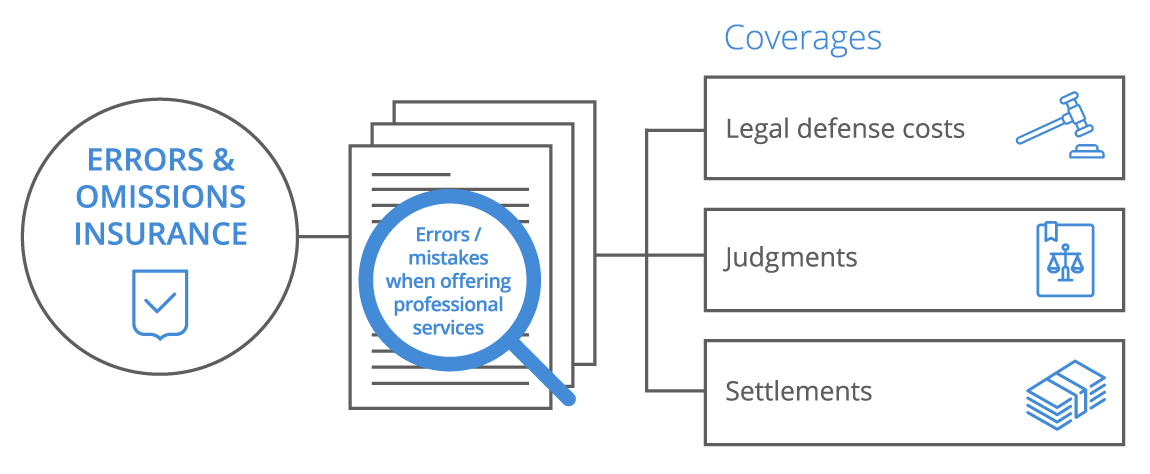
Errors and Omissions Insurance generally covers legal costs, settlements, and judgments if you end up in court. Professional negligence, misrepresentation, and inaccurate advice are all in the mix. This means if your client claims you made a costly mistake, your policy could cover the legal costs.
- Legal defense costs
- Settlements
- Judgments
- Employee mistakes
But here is the deal: not all claims are covered. It’s crucial to understand what’s excluded to avoid any surprises down the line.
Exclusions to Watch Out For
While E&O Insurance covers a lot, it doesn’t cover everything. Fraudulent acts and illegal activities are typically excluded. Also, if a client accuses you of bodily injury or property damage, that’s a no-go for E&O. These cases usually fall under general liability insurance.
- Fraud
- Criminal acts
- Bodily injury
- Property damage
Pro Tip: Always read the fine print. Knowing the exclusions can save you a ton of headaches later on.
Policy Limits and Deductibles in Washington State
In Washington State, policy limits and deductibles can vary significantly. Policies often have a per-claim limit and an aggregate limit. A standard policy might offer $1 million per claim with a $2 million annual aggregate. Deductibles range from $500 to $5,000, depending on your risk level and business size.
The key is finding the right balance between what you pay out-of-pocket and what your insurance covers. Remember, a lower deductible usually means a higher premium, and vice-versa.
Comparison of Coverage Options
Finding the right E&O coverage can feel overwhelming with all the options out there. Here’s a handy comparison table to help you navigate the different choices available in Washington State.
| Provider | Per-Claim Limit | Aggregate Limit | Deductible | Special Features |
|---|---|---|---|---|
| Insurance Co A | $1 million | $2 million | $1,000 | Includes cyber liability |
| Insurance Co B | $2 million | $3 million | $2,500 | Worldwide coverage |
| Insurance Co C | $500,000 | $1 million | $500 | Quick claims processing |
Now you have the tools to choose the best coverage for your business. Make sure you’re protected so you can focus on what you do best.
Key Benefits for Businesses and Professionals
Did you know that over 20% of small businesses face legal action in any given year? It’s a staggering number that underscores why investing in errors and omissions insurance could be your silent guardian. This isn’t just a safety net—it’s a strategic move that could save your business from financial ruin.
Errors and omissions insurance is like a suit of armor for businesses in Washington State. It shields you against claims of negligence or inadequate work. BUT here’s the deal: it’s not just about covering the cost of a lawsuit. It’s about protecting your reputation and keeping your business afloat through stormy seas.
Real-World Success Stories
Consider a tech consultant who faced a lawsuit due to a client alleging a project delay caused financial loss. With errors and omissions insurance, the consultant didn’t just cover legal fees—they maintained their business integrity. In another case, a marketing firm avoided bankruptcy when a dissatisfied client claimed a campaign didn’t deliver promised results. The insurance policy safeguarded their finances, letting them focus on core operations.
Legal Protection: Your First Line of Defense
Legal claims can be a nightmare, especially when they’re unexpected. Errors and omissions insurance steps in to cover legal costs, settlements, and judgments, sparing you from dipping into personal or business savings. Imagine the stress of defending against a claim without this safety net!
Pro Tip: Always review your policy to understand the extent of coverage. Tailor it to your specific industry needs for maximum protection.
Financial Safeguards Provided by E&O Insurance
Errors and omissions insurance doesn’t just buffer you against legal claims. It offers a suite of financial protections that are crucial for any business operating in Washington State.
- Coverage for legal fees and court costs
- Protection against settlements and financial damages
- Support in maintaining business reputation
- Assistance with regulatory inquiries and compliance issues
- Continuity of business operations during legal proceedings
Cost Factors and Influencing Variables

Did you know that the cost of errors and omissions insurance can vary dramatically, even within the same state? That’s right. In Washington State, several factors come into play when determining your premium, potentially affecting your bottom line.
The type of business you operate is a big player in this game. For instance, a tech startup in Seattle will face different cost dynamics compared to a small legal consultancy in Tacoma. But it’s not just about the kind of business. The size and scope of your operations can also send your premiums soaring or keep them grounded.
Factors Influencing Insurance Costs
Here’s the deal: business size and industry type are major influencers in insurance pricing. Larger companies typically pay more because they carry more risk. Unstable industries or those prone to lawsuits, like financial services, might also see higher rates. Underwriters consider historical claim data, risk assessments, and policy limits to set your price.
Strategies to Reduce Insurance Premiums
Feeling the pinch from high premiums? You’re not alone. But I’ve got some good news: there are ways to cut costs without sacrificing coverage. Step #1: Enhance your risk management practices. Insurance companies love a business that actively reduces its risk. Step #2: Bundle your policies. Many insurers offer discounts if you buy multiple types of coverage from them.
Pro Tip: Regularly review and update your E&O policy to ensure it matches your business’s current risk profile. This can prevent overpaying for unnecessary coverage.
Step #3: Increase your deductible. It’s a quick fix that can lower your premiums immediately. But be sure you have the cash reserves to cover it if a claim arises.
Cost Comparisons Across Professional Sectors
Ever wondered how your industry stacks up against others when it comes to E&O insurance costs? Check out this comparison:
| Industry | Average Annual Premium |
|---|---|
| Legal Services | $2,500 |
| Tech Startups | $5,000 |
| Financial Advisors | $3,200 |
| Real Estate | $1,800 |
| Healthcare Consulting | $4,500 |
Process of Obtaining Errors and Omissions Insurance
Ever wondered how to get Errors and Omissions Insurance in Washington State? It’s not as complicated as you might think.
Getting Errors and Omissions Insurance can be a game-changer for your business. But it’s crucial to know the steps involved, or you could miss out on essential coverage.
Steps to Acquire a Policy in Washington State
Step #1: Research is your foundation. Start by comparing different insurance providers based on their reputation, customer reviews, and available packages. Step #2: Reach out to a handful of insurers and request quotes. Make sure to compare apples to apples regarding policy details. Step #3: Based on your analysis, select the most suitable provider and package. This ensures you’re not underinsured or overpaying.
Pro Tip: Always ask for any hidden fees before committing to a policy.
Choosing a Suitable Insurance Provider
Not all insurance providers are created equal. Look for companies with a strong track record in the industry. Check out their claims process and customer service response times, as these are crucial when you need to make a claim.
Pro Tip: Use online comparison tools to streamline your search and ensure you’re getting the best deal.
Documentation Required for Policy Applications
Here’s the deal: insurance companies need to know your business inside out before offering you a policy. Typically, you’ll need to provide business details such as annual revenue, number of employees, and your business type. Be ready with any existing insurance policies and detailed risk management procedures.
Procedure for Filing a Claim
You never want to use your E&O insurance, but if you must, here’s how: First, document everything related to the incident. This includes dates, communications, and any evidence supporting your claim. Next, contact your insurance provider immediately to report the issue. Follow their instructions closely and provide all requested information promptly. Timing and accuracy are key.
Pro Tip: Maintain clear, organized records of all communications and transactions. It will make the claims process easier and quicker.
Legal Implications and Obligations
Did you know that operating without Errors and Omissions (E&O) insurance in Washington State can lead to serious legal and financial consequences? If you’re a business owner or professional, understanding the legal landscape of E&O insurance is critical.
In Washington State, certain professions are legally required to carry E&O insurance as it acts as a safety net against claims of negligence or inadequate work. But what does this mean for you?
Legal Requirements for E&O Insurance
In Washington State, regulations dictate that certain fields like real estate, finance, and legal professions must have E&O insurance. If you’re in these industries, you’re legally bound to carry adequate coverage. This requirement ensures that businesses and professionals can cover potential damages arising from mistakes or lack of adequate service.
Failure to comply with these requirements can result in hefty fines or even the suspension of professional licenses. The state is serious about protecting consumers, and that’s why having E&O insurance is not just a suggestion—it’s the law.
Recent Legal Cases Involving E&O Claims
Recent cases in Washington have highlighted the importance of E&O insurance. For instance, a case involving a financial advisor who failed to disclose crucial information resulted in a $2 million settlement. These cases underline the need for solid insurance policies to cover unexpected liabilities.
By staying informed about these cases, you can better understand the risks and protect your business from similar legal battles. Don’t let a lack of coverage be your downfall.
Obligations of Policyholders to Maintain Compliance
As a policyholder, your primary obligation is to ensure your E&O insurance policy meets the minimum state requirements at all times. This means regular check-ins with your insurer to confirm that your coverage is up-to-date and adequate for your current business operations.
Pro Tip:
Always review your policy annually and after any significant business changes to maintain compliance and adequate coverage.
Regular updates to your policy can save you from potential legal headaches down the road.
Consequences of Not Having the Required Insurance Coverage
Operating without the necessary E&O insurance in Washington State can lead to severe penalties. Beyond legal fines, there’s the risk of losing your business license, and facing lawsuits that could cripple your financial standing.
Here is the deal: Without adequate E&O insurance, you’re leaving yourself and your business exposed. Protecting your assets with the right insurance is not optional—it’s essential for survival in today’s litigious environment.
Closure

In the ever-evolving landscape of professional services, errors and omissions insurance isn’t just a safety net—it’s a lifeline. By now, you should have a clear understanding of why this coverage is a non-negotiable for Washington State businesses. Whether it’s protecting your reputation or your bottom line, investing in the right policy today ensures a more secure tomorrow. Don’t wait until it’s too late—take action now to shield your business from unforeseen pitfalls.
FAQ Section
What is errors and omissions insurance?
Errors and omissions insurance, also known as professional liability insurance, protects businesses against claims of inadequate work or negligent actions by clients or customers.
Who needs errors and omissions insurance in Washington State?
Professionals such as consultants, real estate agents, insurance brokers, and engineers in Washington State commonly require this insurance due to the risks associated with their services.
What does errors and omissions insurance cover?
It typically covers legal costs, settlements, and judgments related to claims of negligence, errors, or omissions in the performance of professional services.
Are there exclusions in errors and omissions policies?
Yes, common exclusions include intentional acts, fraudulent behavior, and bodily injury or property damage, which are typically covered under other types of insurance.
How can a business reduce its errors and omissions insurance premiums?
Businesses can lower premiums by maintaining a history of low claims, implementing rigorous risk management practices, and working with an experienced insurance broker.
What happens if a business doesn’t have errors and omissions insurance?
Without this insurance, businesses may face significant financial losses from legal claims, which could potentially lead to bankruptcy or closure.
