If you’re in North Carolina and seeking to unlock the secrets of the best insurance rates, you’re in for a treat. Navigating the world of insurance can be daunting, but we’re here to make it easier.
With a blend of expert insights and insider tips, this guide will unravel the complexities of insurance in the Tar Heel State, ensuring you get the most bang for your buck.
Understanding Insurance Rates in NC
Did you know that North Carolina has some of the most competitive insurance rates in the U.S.? But if you’re not careful, you could still end up overpaying by hundreds of dollars a year. Let’s break down what you need to know to snag the best rates.
In North Carolina, insurance rates are influenced by a variety of factors. These include your driving record, the type of car you drive, your credit score, and even your age. But here’s the deal: location plays a huge role too. Where you live in NC can significantly impact how much you pay. That’s why it’s crucial to understand these dynamics.
Factors Influencing Insurance Rates in North Carolina
Several key elements determine your insurance premiums. Your driving history is a big one. If you’ve got a spotless record, you’re in luck. But any accidents or tickets? Be prepared to pay more. The type of car you own also matters. Luxury and sports cars typically cost more to insure than standard models.
Pro Tip: Maintain a clean driving record and consider a vehicle with high safety ratings to reduce your premium!
Types of Insurance and Standard Rates in NC
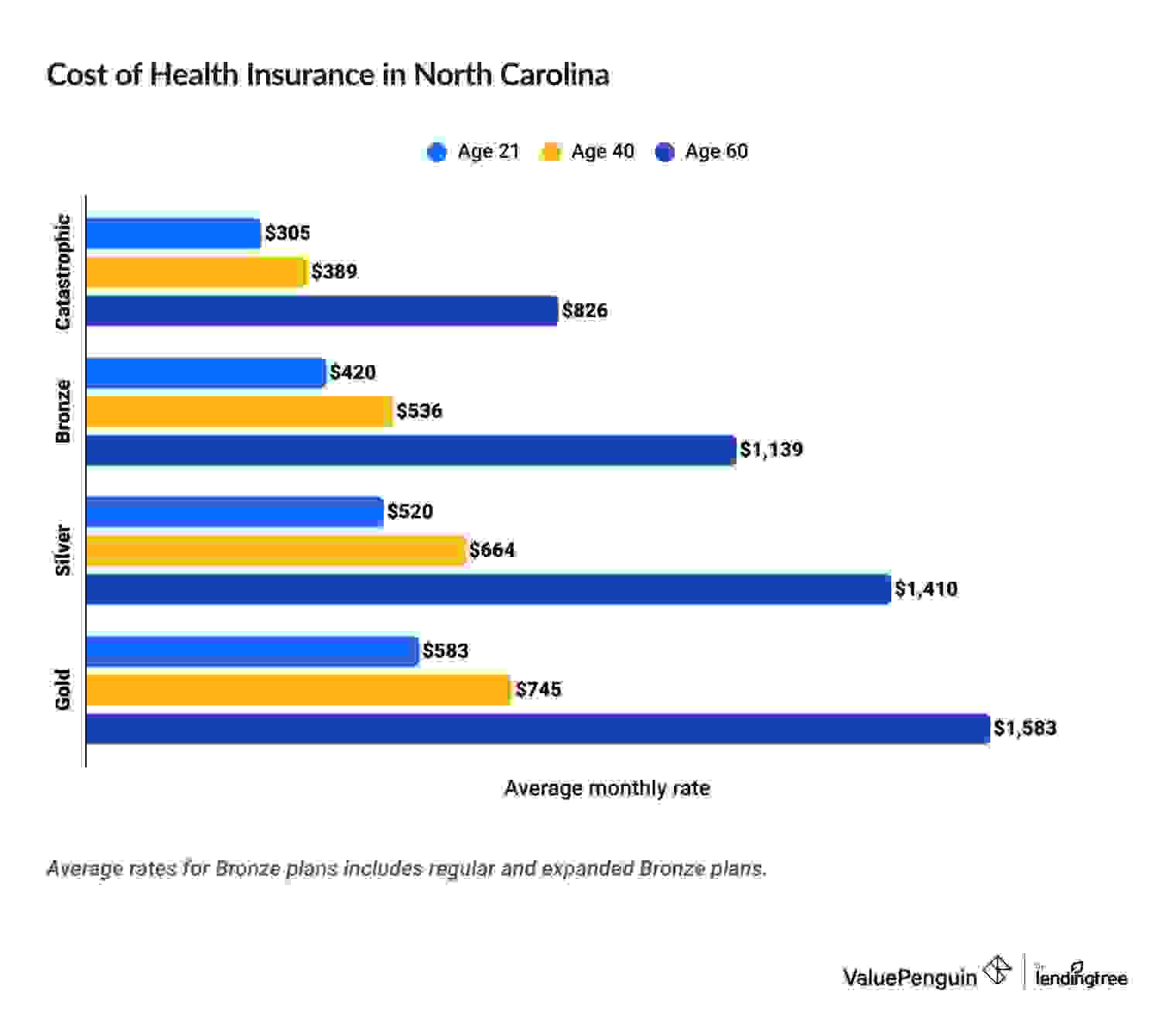
North Carolina offers various types of insurance, each with its own pricing norms. Auto, home, and health insurance are the most common. Auto insurance rates average around $865 per year, while homeowners insurance typically hovers near $1,100 annually. Health insurance can vary widely based on coverage level.
Impact of Location on Insurance Rates
Where you live in NC can dramatically affect your insurance costs. For instance, urban areas like Charlotte and Raleigh usually have higher rates compared to rural regions. Why? Higher traffic volumes and crime rates lead to increased risk, pushing up premiums.
Comparison of Average Rates Across NC Cities
Let’s take a look at how insurance rates stack up in different cities across North Carolina. This will give you a clearer picture of what you might expect to pay depending on where you reside.
| City | Auto Insurance | Home Insurance | Health Insurance |
|---|---|---|---|
| Charlotte | $950 | $1,200 | $5,800 |
| Raleigh | $900 | $1,100 | $5,500 |
| Greensboro | $850 | $1,050 | $5,200 |
| Wilmington | $870 | $1,180 | $5,400 |
Finding the Best Insurance Providers in NC

Searching for the best insurance providers in North Carolina can feel like looking for a needle in a haystack. But I’ve got your back.
It’s all about knowing where to look. With a plethora of options, how do you find the right insurer that offers competitive rates and stellar service?
Top Insurance Companies Offering Competitive Rates
When you’re on the hunt for top insurance companies in NC, certain names consistently pop up. These companies are known for their competitive rates, comprehensive coverage options, and superior customer service. I mean, who doesn’t want the best bang for their buck?
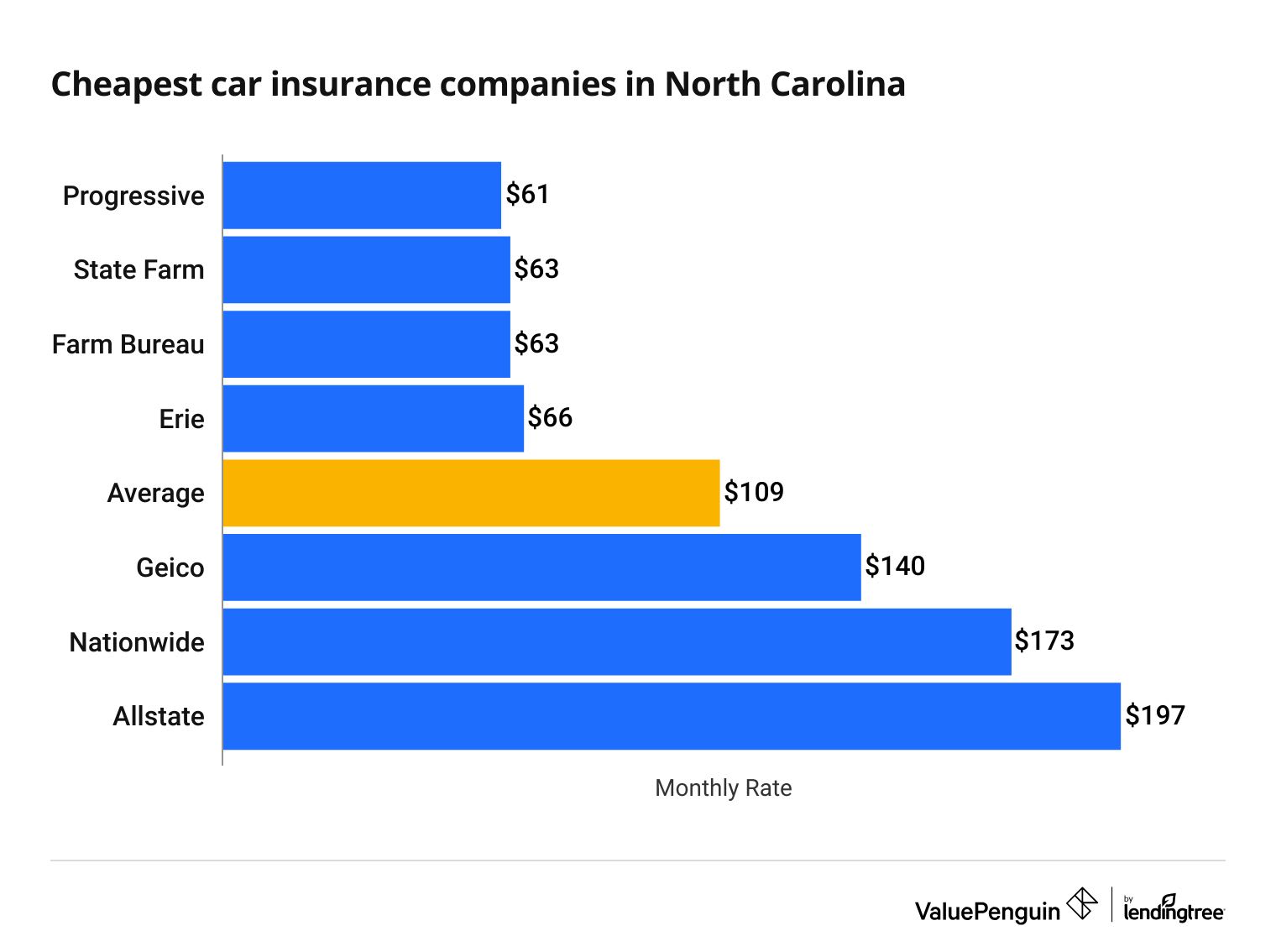
Here’s the deal: you need to focus on a few industry leaders that dominate the North Carolina insurance market. Companies like State Farm, Nationwide, and Allstate are known for their extensive networks and varying coverage plans tailored to your needs.
Insights into Customer Satisfaction
Customer satisfaction can make or break your insurance experience. And in NC, it’s no different. You want to partner with a company that not only offers competitive rates but also has a solid reputation for customer service.
For example, according to the latest reports, State Farm consistently ranks high in customer satisfaction surveys due to their quick claims processing and 24/7 customer support. But it’s not just about the numbers; it’s about how they treat you.
Services Offered by Top Insurers
Now, let’s talk services. What makes these top insurers stand out in North Carolina? It’s their ability to provide tailored services that meet diverse needs.
- State Farm: Known for customizable auto and home insurance policies.
- Nationwide: Offers a broad spectrum of financial services alongside standard insurance.
- Allstate: Provides unique options like accident forgiveness and safe driving bonuses.
Each of these companies excels in offering services that cater to specific aspects of your life, ensuring you’re covered no matter the situation.
Comparison of Top Insurers
Here’s a head-to-head comparison to make your decision easier:
| Insurer | Rates | Services Offered |
|---|---|---|
| State Farm | Competitive | Auto, Home, Renters, Life |
| Nationwide | Moderate | Auto, Home, Financial Services |
| Allstate | Varied | Auto, Home, Accident Forgiveness |
Pro Tip: Don’t just look at the rates—consider the extra perks and customer service ratings.
Cost-Saving Strategies for Insurance in NC
Did you know that the average American spends over $1,000 annually on car insurance alone? That’s a big chunk of change! But if you’re in North Carolina, there are several strategies you can use to slice that number down.
Insurance isn’t just a cost; it’s an investment in your future. Luckily, there are smart ways to make sure you’re not *overpaying* for it. Let’s explore some methods to keep more money in your pocket while staying protected.
Methods to Reduce Insurance Costs in North Carolina
First up, let’s talk about the power of shopping around. Insurers calculate rates differently, and a little comparison can lead to major savings. BUT here’s the deal: don’t just compare prices; compare coverage as well. What’s cheap isn’t always best.
Next, think about your deductible. A higher deductible means lower monthly premiums. Yes, you’ll pay more if you ever need to make a claim, but the upfront savings can be worth it.
And don’t forget about your credit score. In NC, insurers use this as a factor in your rates. Improve your score to potentially slash your premiums.
The Benefits of Bundling Insurance Policies
Ever heard the saying, “The more you buy, the more you save”? It’s true with insurance. By bundling your home and auto insurance, you can often score a discount. Companies love it when you buy more from them and will reward you with lower rates.
This isn’t just about convenience, though it helps when you have fewer bills to manage. It’s about real, tangible savings. On average, bundling can save you 10-15% on your premiums. Not bad, right?
Maintaining a Clean Record to Lower Rates
Your driving record is like your insurance report card. A few dings here and there can hike up your rates. BUT keep it clean, and you’re looking at *significant* savings.
Insurance companies reward safe drivers. No accidents, no tickets, no problems. You’ll not only pay less, but you’ll also benefit from accident forgiveness if something does happen.
Tips for Saving on Insurance
Ready to start saving? Here’s a quick list of actionable tips:
- Shop around and compare quotes annually.
- Increase your deductible for immediate premium reductions.
- Keep a clean driving record to earn safe driver discounts.
- Maintain a good credit score to lower your risk profile.
- Bundle home and auto insurance policies to maximize discounts.
- Look for special discounts, like for installing anti-theft devices.
Pro Tip: Regularly reviewing your policy can uncover hidden fees or outdated coverage, saving you money.
Comparing Insurance Plans and Rates
Ever wonder why your neighbor pays less for the same insurance coverage? It’s all about the plan you choose. Let’s dive into how different types of insurance plans stack up in NC.
Choosing the right insurance plan isn’t just about the price tag. You need to know what you’re getting—and what you’re not. I’ll show you how to compare plans like a pro, so you get the most bang for your buck.
Types of Insurance Plans Available in NC
In North Carolina, you have a smorgasbord of insurance plans to choose from. But not all plans are created equal. You might find terms like HMO, PPO, EPO, and POS. Confused yet?
HMO (Health Maintenance Organization) plans usually offer the lowest premiums but limit you to a network of doctors. On the flip side, PPO (Preferred Provider Organization) plans give you more freedom but at a higher cost. EPO (Exclusive Provider Organization) and POS (Point of Service) plans mix elements of both, but the devil is in the details.
Here’s the deal: Understanding the big picture is crucial. Do you need a wide network, or are you okay with a limited selection to save some bucks?
Pros and Cons of Each Plan Type
Every plan type has its perks and pitfalls.
- HMO: Lower costs, limited network.
- PPO: More flexibility, higher premiums.
- EPO: No out-of-network coverage, lower premiums.
- POS: Hybrid of HMO and PPO, requires referrals.
It’s all about what you need versus what you’re willing to pay. But here’s a
Pro Tip: Always consider your health needs and lifestyle before making a decision.
Visualizing Plan Features and Rate Differences
Sometimes, seeing is believing. Here’s a handy table to help you visualize the differences:
| Plan Type | Network Size | Premium Cost | Flexibility |
|---|---|---|---|
| HMO | Limited | Low | Low |
| PPO | Wide | High | High |
| EPO | Limited | Moderate | Moderate |
| POS | Moderate | Moderate | Varies |
Notice the trade-offs? That’s the balancing act you need to master.
Importance of Reading Plan Details Before Choosing
Choosing a plan without reading the fine print is like signing a contract blindfolded. You might get a nasty surprise when you need coverage the most.
So, here’s the bottom line: Read every aspect of the policy terms. Look for deductibles, co-pays, and any hidden fees. It could save you from a financial headache later on.
Remember, knowledge is power. Equip yourself with the right information and make an informed choice!
Legal and Regulatory Considerations
Did you know that insurance regulations can make or break your bank account in North Carolina? That’s right. Understanding these rules is crucial if you want to snag the best coverage at the lowest rate.
The landscape of insurance in North Carolina is shaped by specific legal and regulatory frameworks designed to protect you, the consumer, while ensuring fair play among providers.
Key Insurance Regulations in North Carolina
Here is the deal: knowing the laws can help you navigate insurance rates effectively. Let’s break down what you need to know:
- Rate Approval: Insurance companies in NC must submit their rates for approval to the state before they can start charging you. This means you won’t get hit with unfair prices.
- Consumer Protections: The state enforces regulations to prevent discriminatory practices, ensuring that everyone gets a fair shake.
- Mandatory Coverage: Certain types of insurance, like auto liability, are legally required. Failing to have these can lead to penalties.
- Complaint Mechanisms: You have the right to file a complaint if you feel your insurance provider is not treating you fairly.
The Role of the NC Department of Insurance
This department is your watchdog. They regulate the insurance industry to make sure that you are getting a fair deal. Here’s what they do:
- Rate Reviews: They review and approve insurance rates, ensuring they are justified and not just a money grab.
- Licensing: They license agents and companies, which keeps unqualified providers out of your wallets.
- Consumer Education: They offer resources to help you understand your insurance choices better.
Impact of Regulations on Insurance Rates
How do these regulations affect your wallet? Here’s a quick look:
- Stable Rates: Regulations lead to more stable rates over time, saving you from sudden price hikes.
- Competitive Market: By ensuring transparency, they force companies to compete, which can lower prices for you.
- Consumer Confidence: When you know the system is fair, you’re more likely to shop around and get the best deal.
Pro Tip: Always review the NC Department of Insurance website for the latest updates on regulations and rate changes. Staying informed is your best defense against overpaying.
Real-Life Scenarios and Case Studies
Imagine saving hundreds just by understanding insurance rates in NC. Sounds too good to be true? Let me show you how this can become your reality.
I’ve seen real-life cases where a little knowledge of insurance rates led to substantial savings. It’s not just about finding the lowest rates; it’s about understanding what affects those rates in the first place.
Success Stories of Savvy Insurance Shoppers
Meet Jane, a savvy shopper from Raleigh who managed to cut her car insurance costs by a whopping 30%. What was her secret? She took the time to compare multiple insurance providers and tweak her coverage options. But here’s the kicker: she also leveraged her good credit score to negotiate even better rates. Jane’s case shows that knowledge is power when it comes to insurance.
Let’s look at Mark, who lives in Charlotte. He realized that bundling his car and home insurance could lead to surprising savings. By combining policies, he slashed his insurance costs by 20%. And the best part? He didn’t sacrifice any coverage. Instead, he got more bang for his buck.
“I never knew bundling could save me so much. It’s like getting a two-for-one deal every month!” – Mark, Charlotte
How Demographics Play a Role
Demographics can dramatically impact insurance rates. For instance, younger drivers often face higher premiums due to perceived risks. But here’s the deal: if you’re a young driver in NC who’s completed a defensive driving course, you could qualify for significant discounts.
Consider Sarah, a student in Durham, who faced high premiums due to her age. By maintaining a clean driving record and taking a certified driving course, she reduced her rate by 15%. This example illustrates how being strategic and proactive can offset demographic challenges.
Case Study Insights
Real-life experiences teach us that understanding and strategizing your insurance approach can lead to massive savings. So, don’t just settle for the first quote. Dig deeper, compare options, and leverage any discounts applicable to your situation.
Pro Tip: “Always review your policy annually. Life changes, and so should your insurance.”
You now have a blueprint to navigate and conquer the insurance landscape in NC. Take these insights, apply them, and watch your insurance expenses shrink.
Summary
In conclusion, understanding the landscape of insurance rates in North Carolina can significantly impact your financial well-being. From knowing what factors influence your rates to exploring top providers, this guide has equipped you with the knowledge you need to make informed decisions. Remember, the key to saving is in the details.
FAQ Section
What factors influence insurance rates in North Carolina?
Insurance rates in NC are influenced by factors such as your location, driving record, type of vehicle, and coverage levels.
How does location within NC affect insurance rates?
Insurance rates can vary significantly across different cities in NC due to factors like crime rates, traffic density, and local laws.
What are the benefits of bundling insurance policies?
Bundling policies, such as home and auto, can lead to significant discounts and more streamlined management of your insurance.
How can maintaining a clean record lower my insurance rates?
Maintaining a clean driving record helps lower your rates as it reduces your risk profile in the eyes of insurers.
Why is it important to read plan details before choosing insurance?
Reading plan details ensures you understand the coverage, exclusions, and any potential additional costs, preventing surprises later.
What role does the NC Department of Insurance play?
The NC Department of Insurance regulates the industry, ensuring fair practices and protecting consumer interests.
